
Community-based travel puts people – not profits – at the centre of the travel experience. It’s a model of tourism built on respect, equity, and meaningful exchange, where the local community leads the way and directly benefits from your presence. Rather than staying in chain hotels or joining mass-market tours run by foreign companies, community-based tourism focuses on local ownership, empowerment, and cultural integrity.
At its core, this approach asks a powerful question: Who really benefits from your visit?
In many popular destinations, the answer is often large corporations, overseas investors, or intermediaries who extract value without reinvesting significantly in the community.
Community-based travel flips that model. It ensures that the financial, cultural, and social benefits of tourism stay local – supporting livelihoods, strengthening identity, and creating more sustainable futures.
This type of tourism isn’t just about where you spend your money – it’s about how you connect with a place, and crucially – its people.
When you choose a homestay over a hotel, or join a cultural workshop led by a local provider, you’re not just accessing an “experience” – you’re entering into a respectful, reciprocal relationship. You learn directly from the people who know the land, the place, the history, and the traditions best. In return, you help ensure that those same people can thrive while preserving their heritage.
Community-based travel can take many forms:
- Staying in family-run guesthouses or homestays, where hosts welcome you into their homes and daily lives.
- Joining local-led tours, where cultural knowledge is shared by those to whom it belongs.
- Eating at local markets or cooperatively owned restaurants, where meals are made with traditional ingredients and recipes passed down through generations.
- Purchasing handmade crafts or textiles directly from artisans, rather than mass-produced souvenirs.
These aren’t just ethical choices – they often result in richer, more memorable travel.
You might learn to cook a regional dish from someone’s grandmother, listen to stories about local legends by a campfire, or take part in age-old ceremonies you’d never find in a guidebook. It’s travel that fosters mutual understanding, not just consumption.
Crucially, community-based tourism also plays a role in preserving endangered cultures, languages, and landscapes.
When communities can earn income through sharing their traditions on their own terms, it creates strong incentives to protect both their environment and their heritage. It shifts tourism from being extractive to regenerative – where visitors don’t just take something away, but contribute to something enduring.
So, the next time you travel, consider this: Are you just passing through, or are you showing up with intention, curiosity, and care?
Community-based travel isn’t just about seeing the world. It’s about how we connect, what we learn on the journey and what we contribute.
5 Practical Examples of Community-Based Travel
Staying in a Rwandan Homestay through Red Rocks Rwanda
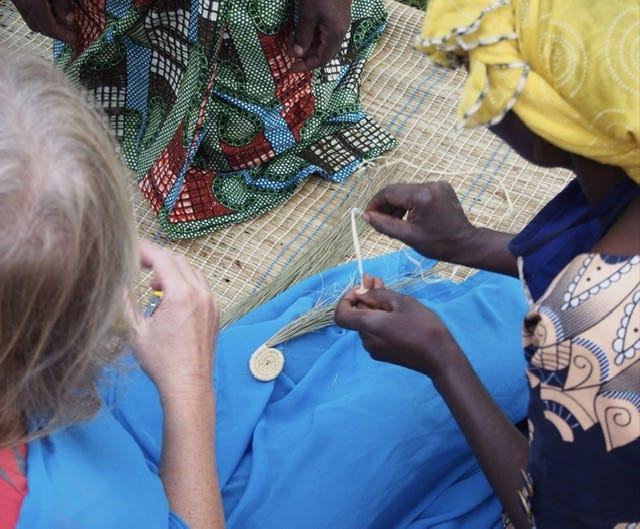
Travellers stay with local families near Volcanoes National Park, experiencing daily Rwandan life—cooking, farming, storytelling—through the community tourism cooperative Red Rocks.
Income goes directly to families, supports local education programs, and strengthens cultural pride.
Learning Weaving from Quechua Women in Peru
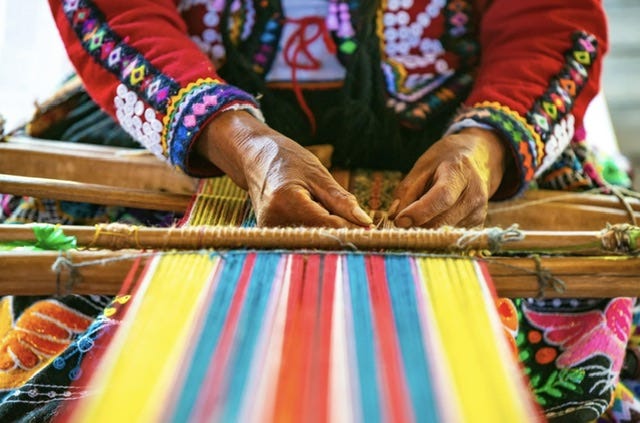
Instead of buying factory-made souvenirs in Cusco, travellers visit weaving collectives like Awamaki or Threads of Peru, where Quechua women teach traditional textile techniques.
Women earn income independently, preserve centuries-old traditions, and visitors gain insight into Andean identity.
Joining a Community Trek in Nepal’s Lower Himalayas

Travellers choose community-managed trekking routes like the Mohare Danda Trail, where locals provide lodging, meals, and guiding services – without the crowds of Everest or Annapurna.
Tourism income stays in villages, reduces pressure on over-trekked routes, and helps prevent urban migration.
Eating at a Women-Run Co-op in Morocco
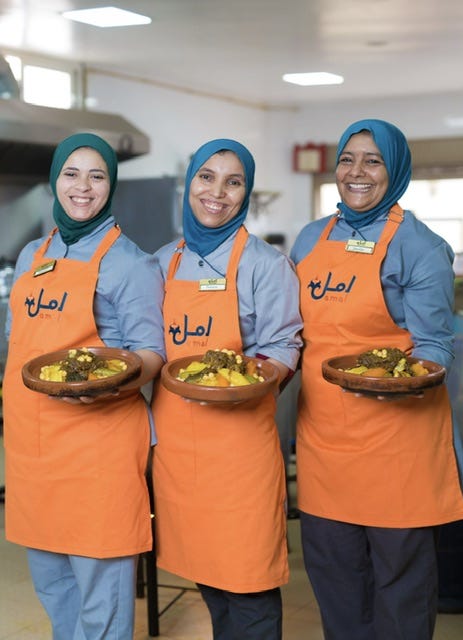
Instead of dining in tourist-heavy restaurants, travellers eat at women-run cooperatives like Amal in Marrakech, which provides culinary training and jobs for women in vulnerable situations.
Meals are authentic, the atmosphere is personal, and your support directly improves women’s lives and futures.
Participating in a San Cultural Experience in Namibia

Travellers join community-led experiences with the San people (Bushmen) in the Kalahari Desert – learning about bush survival, traditional medicine, and storytelling, all curated by San guides. This is an important way for the San to keep alive the traditions and stories of the past.
Encourages cultural self-representation, challenges colonial narratives, and provides sustainable income for remote communities.
When planning community-led travel experiences do your research carefully to ensure that the experiences you participate in are genuinely led by local communities, financially benefit those communities, foster equitable cultural exchange, and are authentically reflective of heritage and cultural traditions.
This extract is from the upcoming “The Ultimate Green Travel Guide: 100 Inspiring Adventures”. To pre-order your copy, click here.

[This article is an extract from The Green Travel Guide]
Laura McVeigh is a Northern Irish novelist and travel writer. Her work is widely translated and her latest novel Lenny is set between the desert in Libya and the bayou in Louisiana. She has authored books for Lonely Planet, DK Travel, bylines in the Irish Times, Irish Independent, featured by the BBC, Newsweek, New Internationalist & many more. Former CEO for a global writers’ organisation, working with writers from 145 countries. She is founder of Travel-Writing.Com and Green Travel Guides. Laura writes on storytelling, travel writing and mindful travel on Substack.